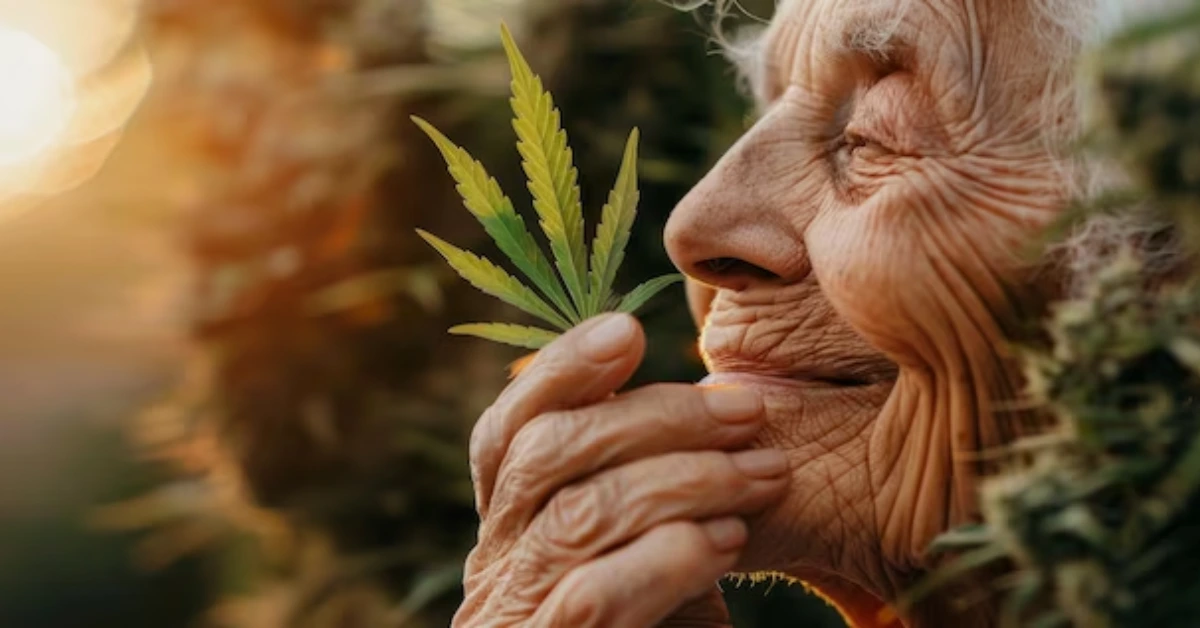
Dementia is an umbrella term for various cognitive disorders and has always been very stubborn regarding treatment. Generally, memory loss, confusion, mood changes, and a decline in cognitive function are some common features; the disorder dementia affects millions of people worldwide. Traditional treatments for dementia have focused on management of symptoms rather than curing the disease, which pushes researchers and clinicians to investigate alternative therapies. One such therapy in the limelight nowadays is the use of medical marijuana in treating dementia.
Understanding Dementia Symptoms
Before we discuss the benefits of medicinal marijuana, we must understand that dementia is not a simple disorder. Dementia is not a singular disease; instead, it refers to a series of symptoms that are linked to particular brain disorders. The most common type, which accounts for around 60-80% of cases, is Alzheimer’s. Other types of dementia fall under the umbrella of vascular dementia, Lewy body dementia, and frontotemporal dementia.
The major symptoms of dementia include:
- Memory loss
- Problems with communication
- Impaired reasoning and judgment
- Confusion and disorientation
- Changes in mood and behavior
These symptoms deteriorate progressively with time, and this becomes a significant burden to the quality of life for the patients and their caregivers. The therapeutic options for dementia patients are usually based on medications like cholinesterase inhibitors and NMDA receptor antagonists that are used to slow cognitive deterioration, among other techniques. Nevertheless, these agents have side effects, and the symptomatic effect associated with their use is marginal.
The Role of Medical Marijuana in Dementia Treatment
Medical marijuana is derived from the cannabis plant, which also has a long history of medicinal use. The plant contains more than 100 cannabinoids-Tetrahydrocannabinol and cannabidiol have been two of the most studied. THC is established as being psychoactive, providing a “high” when smoked, but CBD is non-psychoactive yet associated with many therapeutic properties.
Over the last years, it has become a point of interest for researchers, the potential role of medical marijuana for the treatment of dementia. This is based on the endocannabinoid system, a complex cell-signaling system in the human body that is involved with the regulation of various physiological processes, among them mood, memory, and inflammation. The ECS interacts with cannabinoids from the cannabis plant, leading to potential effects.
Benefits of Medical Marijuana for Dementia Patients
Reduction of Agitation and Aggression: One of the most challenging aspects of managing dementia patients is the challenge of agitation and aggression. These are common symptoms in the progressed stages of the disease that can be very distressing to the patient as well as to the caregiver. The traditional prescribing of typical antipsychotics for mitigating the symptoms was usually associated with severe side effects, one of them being the increased risk of stroke.
Studies have shown that medical indications of marijuana, especially CBD, reduce agitation and aggression in patients with dementia. CBD is an anxiolytic substance; as it calms a patient, he becomes less aggressive in nature. In addition, THC is a sedating agent that further helps to decrease the occurrence of aggression.
Improvement in Sleep Quality: Sleep disturbances are common for people with dementia; they cannot sleep well, either at the initiation or maintenance stage, and have a disrupted sleep cycle. This vicious cycle can make poor-quality sleep exacerbate other symptoms related to dementia, such as confusion and irritability.
Medical marijuana has also been shown to enhance sleep quality, specifically with high CBD strains. CBD interacts with the ECS to potentially influence the circadian sleep-wake cycle by promoting a restful sleep, which is beneficial for dementia patients because increased sleep usually results in improved cognitive and mood states during the wakeful time.
Reduction in Inflammation and Oxidative Stress: Inflammation and oxidative stress are supposed to play a huge role in the neurodegenerative progress of dementia, especially in Alzheimer’s disease. Long-standing process of inflammation in the brain can lead to neuronal damage and subsequently contribute to cognitive decline.
Both THC and CBD are anti-inflammatory in nature and, thus, might help reduce inflammation within the brain of dementia patients. Medical marijuana might be able to slow down the gait of episodic memory and executive function in the progression of dementia by modulating immune responses and reducing the production of pro-inflammatory cytokines. The antioxidant properties of CBD may further help to combat oxidative stress and protect damaged brain cells.
Improvement of Mood and Reduction of Anxiety: Depression and anxiety are a common feature in patients of dementia and can be produced by frustration due to the loss of cognitive abilities and also by the fear of further deterioration. Mood disorders considerably decrease the quality of life and may hasten cognitive decline.
Medical marijuana, more so CBD, has been proven to exhibit an antidepressant and anxiolytic effect. The interrelating of serotonin receptors in the brain helping to elevate mood and reduce anxiety occur through the action of CBD. This means that the general quality of life, in terms of feeling less depressed and anxious, could improve for a dementia patient.
Improvement in Appetite and Weight Management: Dementia patients usually lose their appetite and suffer from weight loss and malnutrition. This would, in turn, weaken a patient’s immune system and make him or her more vulnerable to opportunistic infections and other serious health complications.
THC is well-documented to stimulate appetite among individuals, commonly referred to as “the munchies.” For dementia patients who have lost their appetite due to specific circumstances, medical marijuana might help further increase their desire to eat, promoting better nutrition and weight maintenance.
Challenges and Considerations
While the potential benefits of medical marijuana are promising for patients with dementia, their challenges and limitations have to be considered.
Legal and Regulatory Issues
The legal status with regard to medical marijuana differs across many states in the U.S. and, in fact, is very varied around the world. Some states have made medical marijuana legal for some ailments, such as dementia, while others have it listed as illegal. Patients and caregivers are thus required to handle these legal challenges and ensure that they are on the right side of the law, as stipulated by the state and federal law.
Lack of Large-Scale Clinical Trials
Despite the interest in, and the reported benefits of, medical marijuana among people with dementia, most are still awaiting large-scale, randomized clinical trials that demonstrate the drug’s effectiveness and safety. Up until now, many studies have been either small or primary observation methods, so no solid conclusions can be made.
Side Effects and Drug Interactions
Just like any other drug, there are some side effects while using medical marijuana. Dizziness, dry mouth, and mood changes are the most common. Additionally, this form of treatment interacts with other medications that one will commonly find dementia patients taking and may have adverse effects. Therefore, a patient or caregiver must approach a healthcare provider for advice before starting any cannabis-based treatment.
Stigma and Misconceptions
However, there remain attitudes and stigma, especially among the elderly, against the use of medical marijuana. Poor understanding of the safety and effectiveness of cannabis can also prevent farther application of such an alternative treatment from a patient or their caregiver. Education and awareness are required to overcome these concerns and deliver correct information regarding potential benefits associated with the use of medical marijuana.
Conclusion
The benefits medical marijuana can provide for patients with dementia are just beginning to be discovered and open new perspectives in terms of symptomatic treatment and improvement in quality of life from reducing agitation and improving sleep, showing anti-inflammatory effects, to increasing mood. Medical marijuana seems promising as an additive treatment for dementia.
However, there is a need for more research, education, and regulatory clarity to understand better the complete role of this modality of treatment in the care of patients with dementia and to secure safety and effectiveness. Discussion with a health care provider and monitoring of the legal landscape is the initial important step in the informed decision-making that patients and their caregivers can take in their treatment of dementia.