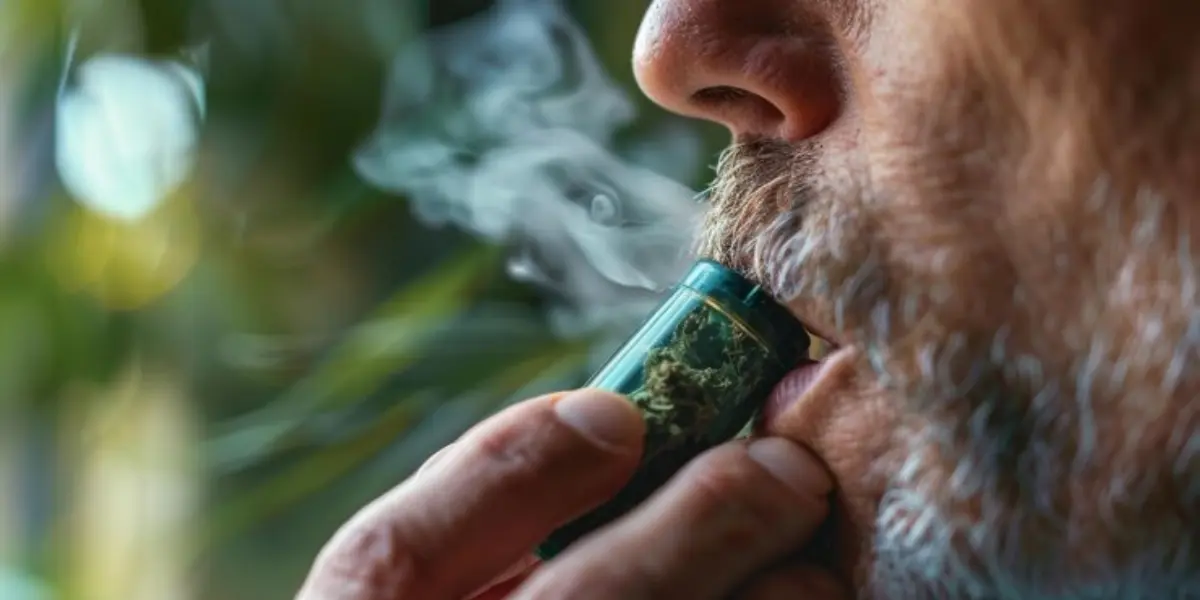
Cannabis has also been widely known for its medicinal properties. The correct way to inhale medical marijuana when using cannabis for therapeutic purposes can be as important as what you are smoking. Let us understand how to smoke weed with the correct techniques, discuss some health benefits and reasons for that in this article.
Demystifying Cannabis Inhalation One of the most frequently misused ways to consume cannabis is via inhalation. This opens up the lungs, allowing cannabidiol to quickly enter the blood stream. The correct inhalation technique is thought to enhance the medical benefit while minimizing side effects.
Things to know about, and it’ll be helpful information if you’re thinking about using cannabis for health reasons. Here are some additional things to know about:
Getting a Medical Card
In the most places, you need a medical card to buy cannabis. This card lets you buy cannabis from licensed shops and might give you access to better products. Search online platforms for detailed information on obtaining a medical marijuana card and locating an experienced doctors.
Talk to an Marijuana Expert
Always talk to a doctor about your health condition and how to use marijuana. They can help you figure out how much to take, what kind to use, and if it might cause problems with other medicines you’re taking.
Methods of Inhaling
Inhalation Smoking – Cannabis is burned, and you inhale the smoke. Although potent, this method can cause irritation to the lungs and carcinogenic byproducts.
Vaping
Instead of burning the plant material, vaporization heats cannabis to a temperature at which cannabidiols are released. With as much negative press that vaping gets, we cannot deny the fact that it is a better alternative to smoking cigarettes because it eliminates harmful toxins and irritants.
Dabbing
Inhaling the vapor from concentrated cannabis extracts (dabs) through a device Dabbing gives you a big hit of cannabidiols without any delay.
Smoking
Whether you are using a joint, pipe, or bong, smoking is the most traditional way that cannabis consumers choose to intake their herb (however, it also includes vaporizing and dabbing).
Edibles
While not-inhalable edibles are another form of consuming marijuana, they are eaten and digested in the digestive system, which has a different onset time and effect than inhalation.
Correct inhalation techniques In order to take full advantage of the benefits and reduce potential discomfort as much as possible, follow these steps for proper inhalation:
Begin with a Clean Apparatus: No matter if you are using a pipe, bong, or vaporizer, ensure that it has been properly cleaned. Residue affects the taste and how well your weed burns.
Grind Your Weed: If you plan to smoke or vape, grind your weed as evenly as possible. This helps with uniform heating and good circulation of air.
Warm Up Your Vaporizer: If you opt to grab a vaporizer, preheat it at the suggested heat. Adjust as needed for your temperature to vaporize — different cannabidiols in the mix require varying temperatures.
Slow and Steady Inhale: Slowly breathe in through your device to ensure you are receiving all the cannabidiol doses evenly. Do not breathe too rapidly or shallowly.
Retain the Smoke/Vapor: Keep smoke or vapor in your lungs for a few seconds before you exhale. This leads to improved cannabidiol absorption.
Breathe out Slowly: To avoid coughing and consequent irritation, take your time in order to breathe.
Hydrate: If you are inhaling a lot, keep yourself hydrated with water to prevent drying out of the throat. Inhalation of Cannabis for Medical Benefits When it comes to using cannabis for medical reasons, there are a few things that have been looked at as potential treatments. These are some of the top advantages:
Pain Removal:- The presence of ingredients such as THC (tetrahydrocannabidiol) and CBD (cannabidiol) in marijuana, which act on receptors present inside our body to relieve pain, makes it commonly used for chronic pain, neuropathic pain, as well as conditions such as arthritis and multiple sclerosis.
CBD, for example, has been proven to be anti-inflammatory. In so doing, cannabis can help in cases of inflammation such as Crohn’s disease and rheumatic diseases.
Vomiting and Nausea: Cannabis is known to ease vomiting by the American College of Physicians, which also suggests cannabis for nausea during chemotherapy. By contrast, THC has been shown to stimulate appetite and reduce nausea.
Anxiety and Depression: A number of studies indicate that cannabis can help in the management of anxiety and depression symptoms. CBD is praised for its purported anxiety-lowering effects, which are non-psychoactive.
Insomnia: Cannabis can also assist with your sleep by finding different strains that best help you fall asleep or stay asleep. Including that THC helps with sleep, while CBD can aid those who suffer from obstructive apnea.
Neurological Conditions: There is strong evidence that cannabis can help people with neurological conditions like epilepsy or Parkinson’s disease. It can help with seizures and muscle spasms.
Increases Appetite: has maintained a healthy weight with patients who suffer from diseases such as HIV/AIDS or cancer, and lose their appetite.
Cancer Related Symptoms and Support: Cannabis is not a cure for cancer; however, cannabis can help to alleviate some of the symptoms associated with having cancer + receiving treatments like pain and nausea, accompanied by a lack of appetite/cachexia.
The Experimental Data on Cannabis Inhalation With over 100 cannabinoids in cannabis, all the varying interactions with biology need scientific study. The cannabidiols THC and CBD are the best researched ones, both playing individual, distinguishable roles in medical treatment.
THC, the psychoactive part of cannabis, creates a high when it binds to CB1 receptors in your brain, impacting mood, pain sensations, and cravings. Typical uses are for pain, stimulating the appetite, and assisting sleep.
CBD, does not get you high; CBD sounds like canabinidiol. It also acts on the CB2 receptor and is anti-inflammatory, anxiolytic (anti-anxiety), and antiepileptic. They are often used to manage anxiety, epilepsy, and chronic pain. Inhaling cannabis allows cannabinoids to be carried through the blood stream and subsequently throughout different regions of the body, including the brain.
As few as eight breaths in each nostril can lead to absorption, followed by the onset of effects, which makes the intranasal delivery mechanism one indicator of health for acute presentation.
Potential Risks and Considerations
While breathing in cannabis can bring big benefits, you should know about some possible dangers:
Lung Irritation: Smoking weed can upset your lungs and make breathing problems like asthma or bronchitis worse. Using a vaporizer is seen as less harmful.
Mind-Altering Effects: THC has an impact on your mind, changing how you see things, messing with your balance, and sometimes causing worry. It’s key to understand how weed affects you .
Getting Hooked and Building Tolerance: Using weed often can lead some people to need more to get the same effect and even become dependent. It’s crucial to use it with a doctor’s advice if needed.
Marijuana can be highly beneficial when used for therapeutic purposes such as managing stress and relieving pain. However, using marijuana solely for the purpose of getting high can lead to several disadvantages.
If you are considering using marijuana for medical reasons, obtaining a medical marijuana card is a crucial step.